

In order to improve the quality of the production of ikat cloth in the city of Kediri, a team of lecturers from the State University of Malang (UM) helped the ikat cloth business group for MSMEs in the city of Kediri.
This activity is in collaboration with LP2M and several UD service partners. Sinar Barokah and Eko Kodok Ngorek who became the center of the textile center.
In addition to providing assistance in the form of tools, training in using tools was also held, and socialization on how to increase textile production, especially in the dyeing process. This activity will be held on 12-13 August 2021.
There were about 10 people who got various knowledge about how to use a textile machine, the operation of the tool, and tricks and tips so that the coloring of ikat cloth is evenly distributed and not streaky, and of course the process is fast with abundant results. This activity was initiated by the team designing a dyeing machine for ikat fabrics, then a series of trials were carried out.
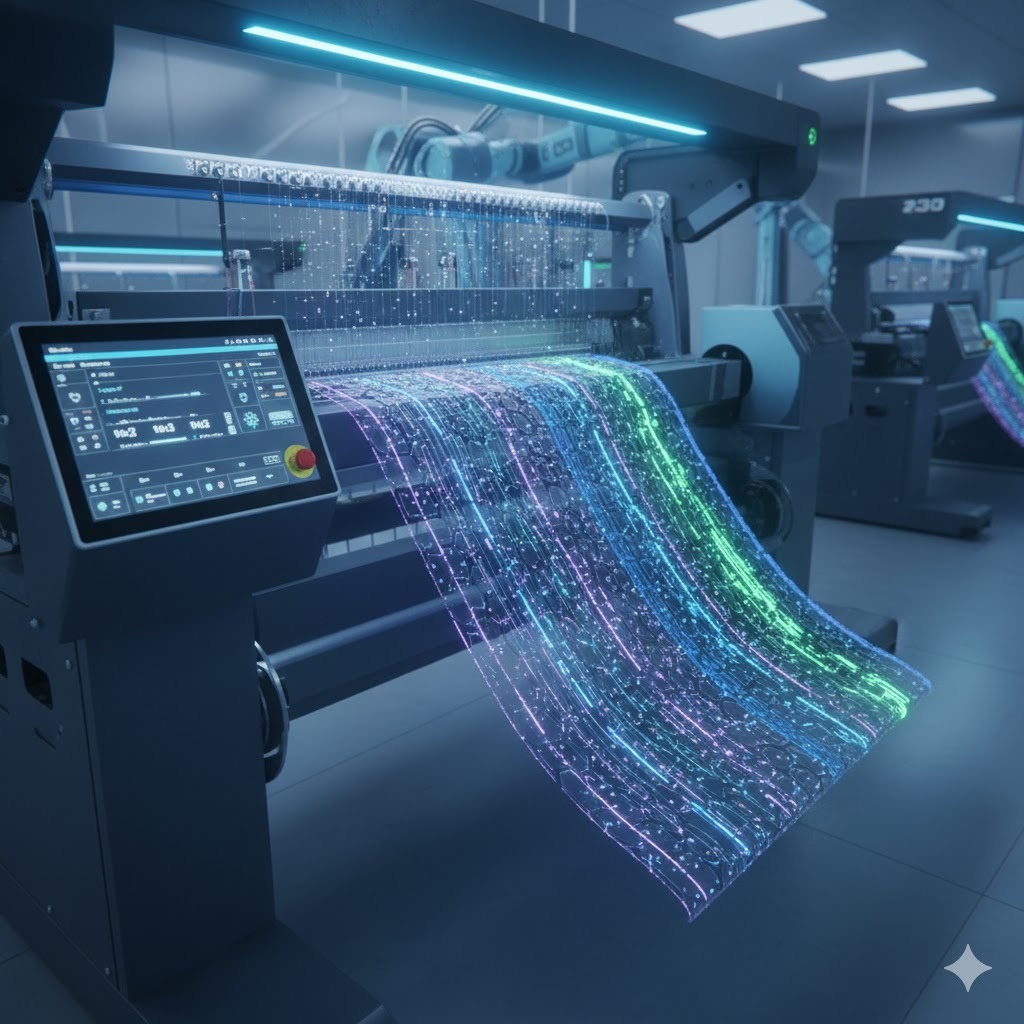
At the time of the final trial, no problems occurred and the tool was functioning properly, then the tool was ready to be given to partners. From the design results obtained a semi-automatic ikat dyeing machine with specifications of length: 150 cm, width: 70 cm, height: 170 cm, drive: peneumatic, heater: lpg gas, transmission: 1: 6 (beltb2 x 64"), weight: 85 kg, body: stainless steel.
On the second day, the participants received basic materials in the form of techniques for using tools, namely the basics of what to do if you wanted to use the textile dyeing tool, and what basic skills you must have to be able to repair the tool if one day you experience problems.
After getting material about the basic science of using tools, MSMEs get material about the process of fairing so that it is evenly distributed, namely how with only one operator the dye machine can work and the resulting fabric can be evenly distributed, not streaky, with a more attractive, shiny and attractive color appearance. not easy to fade.
The training participants consisted of representatives from the two partners plus from the surrounding community who wanted to see the coloring process with machines, there were about 10 people who attended the training. At the end of the session they were given a training questionnaire to see their response to how this training was carried out, and it was found that there were 8 people or 80% of the training participants stated that they could easily and smoothly use the textile dyeing machine and the remaining 2 people or 2% still could not use it. this is because the dyeing process of this weaving machine is still semi-automatic and not fully automatic, so it still requires human labor to operate, and the operation process requires a coherent and rather lengthy procedure. In addition, the smooth operation of this tool is also influenced by the experience of training participants who use the tool manually, because the principle of making this machine is based on manual work with the help of 100% human labor, while the disseminated tool requires about 30% of the human labor needed while the remaining 70 % performed by the tool.
In addition, it is known that there are 9 people or 90% of the training participants answered yes, which means that the guidance provided by the instructor is easy to understand and only one person stated that the instructor's guidance is difficult to understand, this indicates that the training instructor in operating the tools and providing materials has been easy. understood by most of the training, in this session there were no significant obstacles, because 90% stated they understood.
The results of interviews with MSMEs can be seen that there are 9 people or 90% of the training participants answered yes, which means that the contents and methods of guidance, as well as the design of the training are easy to understand and only 1 person stated the content and methods of guidance, and the design of the training is difficult to understand. indicating that the content and methods of guidance, as well as the design of training in operating tools and providing materials were easily understood by most of the training, in this session there were no significant obstacles, because 90% said they understood.
The final conclusion from the first activity, a semi-automatic ikat dyeing machine has been produced with specifications of length: 150 cm, width: 70 cm, height: 170 cm, drive: peneumatic, heater: lpg gas, transmission: 1: 6 (beltb2 x 64"), weight: 85 kg, tub: stainless steel. The two trainees gave a positive response to the training provided by the community service team. This is quite good and the operation of the machine is easy to do.