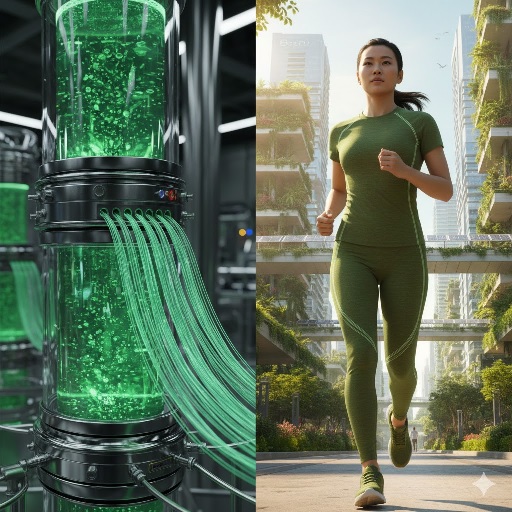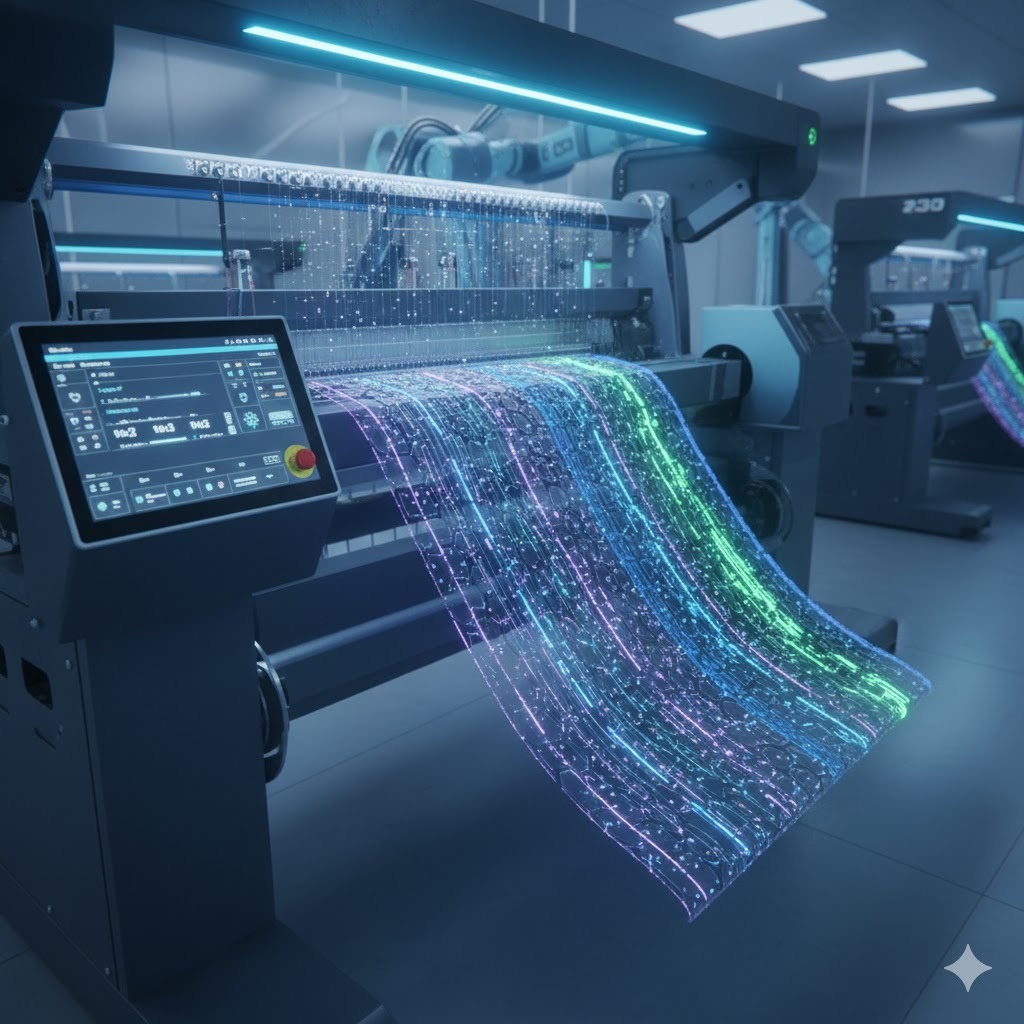





Digital Fashion is currently being talked about a lot. Even the Indonesian Web3 community, MAJA Labs, joined the campaign about Digital Fashion by holding the Bali Digital Fashion Week (BDFW 2022). Now many well-known popular fashion brands have started using digital fashion in the metaverse, namely Gucci to Tommy Hilfiger. By switching to digital fashion, you can reduce textile waste, and of course you can preserve the environment.
Digital fashion is a term for using technology for fashion designs in a complete virtual 3D form by referring to the user's original avatar and representation of the original textile product.
With the emergence of digital fashion in the midst of the fast fashion trend, there is a new hope for a more sustainable fashion industry.
It is known that there are around 92 million tons of textile waste generated from fast fashion production every year around the world. If this continues, the amount of waste from fast fashion production will increase to 134 million tons per year by the end of 2030.
Therefore, fast fashion can actually be the biggest cause of fashion waste pollution which can damage the environment, such as groundwater pollution, as well as greenhouse gas emissions.
Now to overcome that, Digital Fashion is the solution because it uses 3D design making software and AR technology. With technology, digital fashion does not need to use textile raw materials.
Switching to digital fashion can also be an important sector in building a green economy ecosystem by carrying out environmentally friendly business activities.