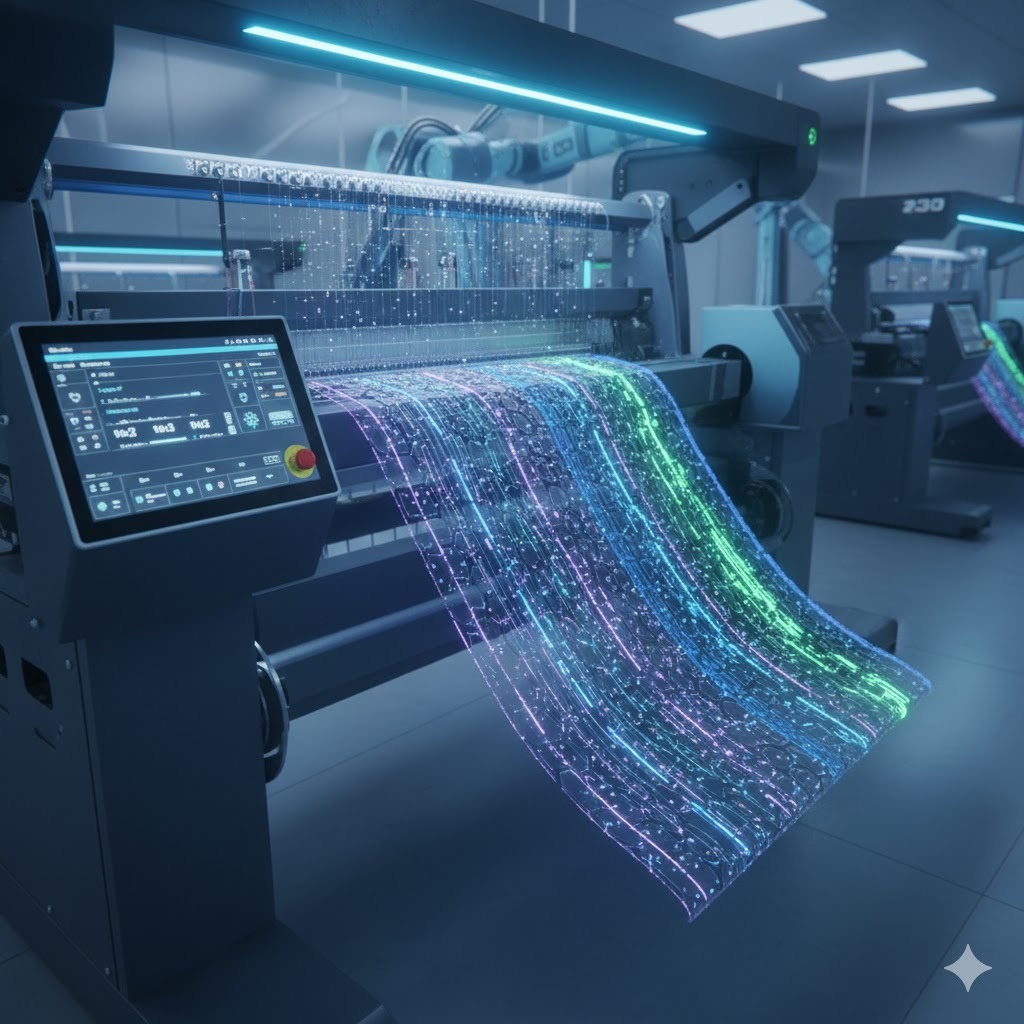




Digital fashion shows the potential for cultural preservation in cyberspace without geographical boundaries. And marketing through the metaverse has enormous potential going forward. Bloomberg projects that the metaverse will be the future of the internet with an estimated value of US$800 billion by 2024. And in 2026 it is estimated that 25% of the world's population will spend at least one hour a day in the metaverse. “We can even introduce batik to the world through skin designs in games and so on. As an example, my super cool avatar wears a digital fashion dress with a batik pattern made collaboratively by Majalabs and ICCN," said Deputy Minister for Tourism and Creative Economy Angela Tanoesoedibj, Sunday (11/12).
Digital fashion is also present as a solution for handling fashion waste. Textile waste from the fashion industry in Indonesia has reached 2.3 million tonnes, equivalent to 12% of household waste in 2021. Meanwhile, only 0.3 million tonnes of textile waste can be recycled.
"Digital fashion is expected to reduce waste generated by the fashion industry during the production stage. In what way? By reducing the consumption of water, chemicals, and the total use of raw materials for fabrics," said Angela.
This is of course in line with the holding of "Bali Digital Fashion Week 2022" as a campaign event to voice the impact of the fashion industry on the environment. As well as opportunities from digital fashion itself.
Despite all its potential, currently the development of digital fashion technology also faces various challenges. Especially in terms of funding and also in terms of human resources.
Therefore, going forward, all stakeholders need to work together to increase the number of digital talent and also increase understanding of the benefits of the Indonesian fashion industry from an economic and environmental perspective to all relevant stakeholders.