


Not long ago, the government seemed to be getting more aggressive and firm in banning the sale of imported used clothing or thrift products. The Minister of Trade even staged demonstrations of burning imported used clothes in several locations. This ban has actually existed since two years ago through Regulation of the Minister of Trade Number 18 of 2021. However, the reality is that it is not that easy to implement regulations on the ground because it turns out that the used clothing market is still large, alias the demand is still high. This policy reaps the pros and cons. Government policies are considered not to touch the real problem. The national textile industry is not too affected by imports of used clothing, but instead is affected by the large portion of national textile imports, which are dominated by imports of textiles and textile materials from China and other countries.
The data does show that. Based on data from the Central Statistics Agency (BPS), in the last 5 years, Indonesia has been flooded with an average of 2.25 million tons of textile products each year. The volume of Indonesian textile imports was also recorded to have increased by 21.11 percent to 2.2 million tons in 2021 compared to the previous year. The five countries of origin of the largest imports were China: 990.20 thousand tonnes, Brazil: 174.80 thousand tonnes, the United States: 137.90 thousand tonnes, South Korea: 122.10 thousand tonnes, and Australia: 115.90 thousand tonnes.
So, it is very understandable that many parties reject the policy of banning the import of used clothing in Indonesia, because it does not touch on the real root of the problems surrounding textiles and the textile industry. The main problem for our textile industry is the weakening of competitiveness compared to the textile industry in neighboring countries. In economic language, our textile industry is threatened by a wave of de-industrialization. Coupled with the pressure of the global recession that occurred since the middle of last year.
Therefore, this very strategic industry deserves serious support from the government of President Joko Widodo (Jokowi) and local governments, both provincial and city and regency. Several things need to be done by the government so that the TPT industry can return to its glory.
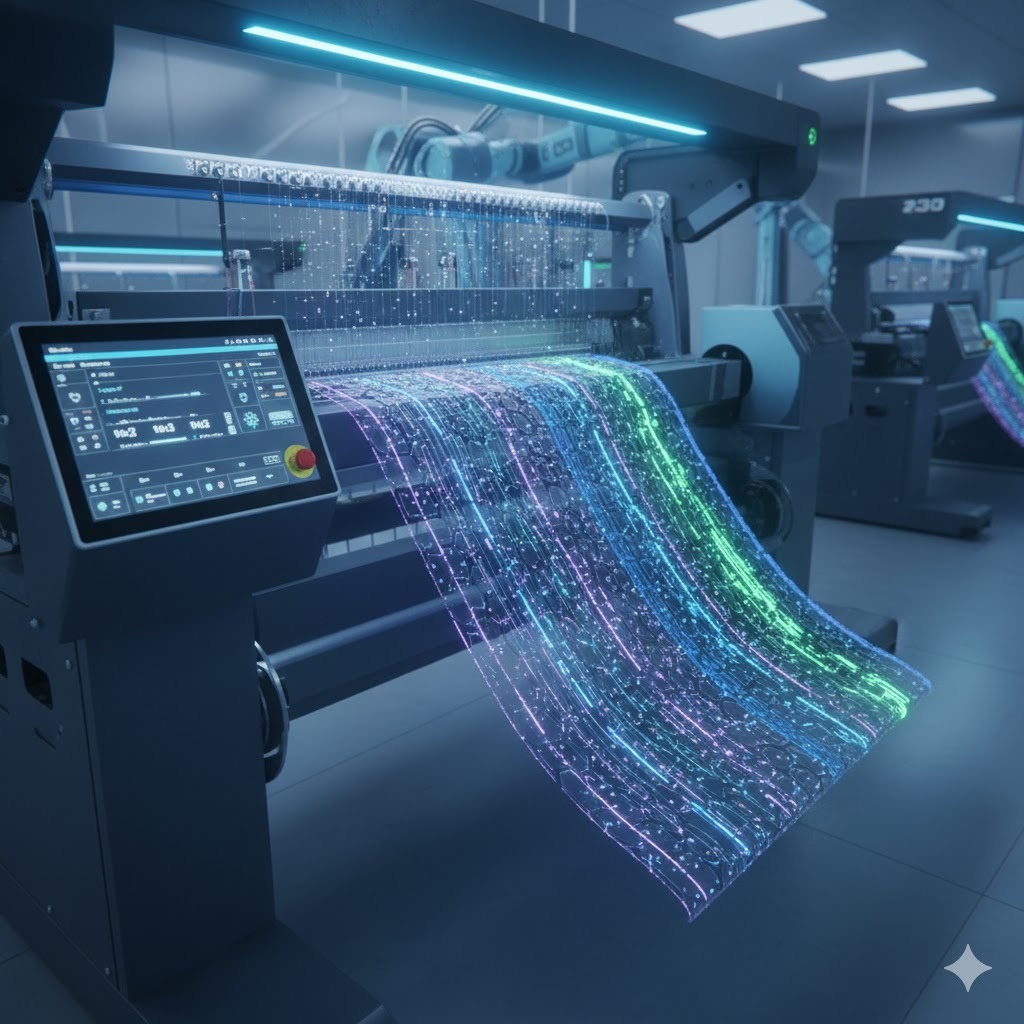
First, the government needs to encourage the entry of the best technology in the TPT sector, in order to improve quality, productivity, efficiency, as well as to meet the growing needs of consumers.
This means that the government is obliged to help the industry to replace obsolete TPT machines with more modern and efficient ones, for example by providing credit programs with subsidized interest, for example. Seeing the current development of the industry, machine modernization deserves priority, partly because many of these industries are still in the category of old small-medium enterprises (SMEs).