


The indicative ceiling of the Ministry of Industry (Kemenperin) for 2022 is set at IDR 2.61 trillion, with details on personnel spending of IDR 797 billion, operational spending of IDR 360.26 billion, non-operational spending of IDR 1.45 trillion, education function of IDR 982 billion, and economic function of IDR 1. 62 trillion.
The three priority programs of the Ministry of Industry for the 2022 budget year include vocational education and training programs, value added programs and industrial competitiveness, and management support programs, said Industry Minister Agus Gumiwang Kartasasmita.
Previously, at a Working Meeting with Commission VII DPR RI in Jakarta, Wednesday (25/8), the Minister of Industry explained the three priority programs of the Ministry of Industry which include the Vocational Education and Training Program implemented by the Industrial Human Resources Development Agency (BPSDMI). Its activities consist of Drafting the Industrial Sector SKKNI, Certification of Competent Industrial Workers, Competent Industrial Workforce Training through 3 in 1 System Training (Training, Certification, and Placement), Industrial 4.0 Workforce Training, as well as Equipment Procurement and Operationalization of Digital Industry Centers. Indonesia 4.0 (PIDI 4.0)
Furthermore, the Added Value and Industrial Competitiveness Program by the Directorate General of Agro Industry, as well as the Directorate General of Chemical, Pharmaceutical and Textile Industries (IKFT), the Directorate General of Metal, Machinery, Transportation Equipment and Electronics (ILMATE), the Directorate General of Small, Medium and Miscellaneous Industries ( IKMA), the Directorate General of Resilience, Territorial and International Industrial Access (KPAII), and the Agency for Standardization and Industrial Services Policy (BSKJI).
Priority activities carried out by the Directorate General of Agro Industry, among others, are the Facilitation of the Development of Greenfuel Industrial Pilot Plants based on Industrial Vegetable Oil/Industrial Lauric Oil (IVO/ILO), Restructuring of Machinery/equipment for the Furniture Industry, as well as Assistance in the implementation of Industry 4.0 for Companies in the Food Industry Sector. Marine and Fisheries, as well as Beverage, Tobacco Products, and Refreshment Industry Sector.
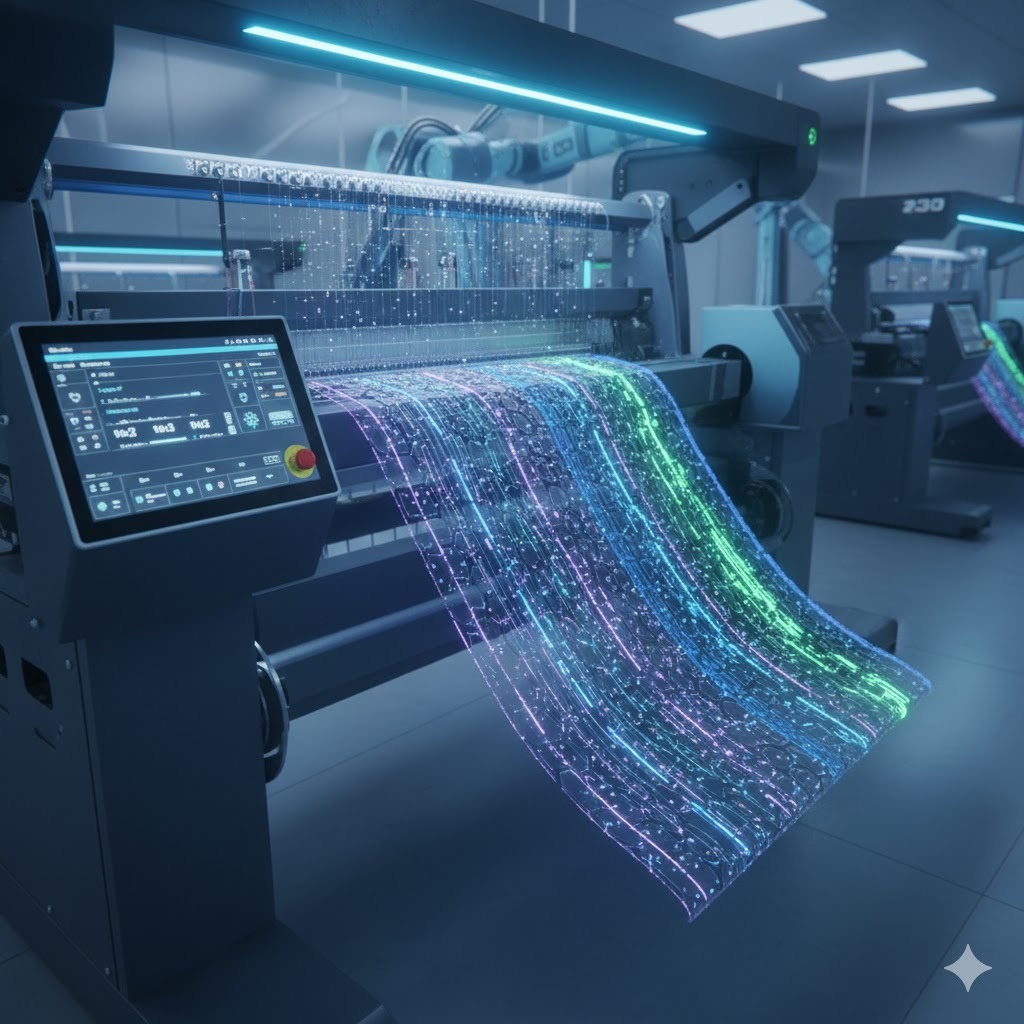
The priority activities carried out by the Directorate General of IKFT include Restructuring of Machinery and Equipment for the Textile, Leather and Footwear Industry and Facilitating Investors for the Growth and Development of the Petrochemical Industry in Bintuni Bay. Then, Assistance in the Implementation of Industry 4.0 in the Textile and Apparel Industry Sector, Downstream Chemical Industry and Pharmaceuticals, as well as the Ceramic Cement Industry and Non-metallic Mineral Processing.
Priority activities carried out by the Directorate General of ILMATE include facilitation of strengthening the structure of the electronic component industry, Verification of the capabilities of the national steel industry, Development of the Center of Excellence for the Medical Device Industry, Pilot Project Development of the AMMDes Application Business Model, and Assistance in the application of Industry 4.0 in the automotive and electronics industry sectors. and machinery.
Priority activities carried out by the Directorate General of IKMA include Facilitation of Capacity Building for IKM Centers, Growth of New Entrepreneurs of IKM through entrepreneurship and production technical training and facilitation of machinery/equipment, Restructuring of Machinery/Equipment for IKM, as well as Facilitating the application of product certification and strengthening of machinery/equipment for IKM .
Priority activities carried out by the Directorate General of KPAII, among others, are the preparation of negotiating positions in international agreements, facilitation and exploration of industrial resource cooperation with partner countries, investment assistance for multinational companies, facilitation of the development of priority industrial estates outside Java, and development of industrial estate investments. Halal.
Priority activities carried out by BSKJI include the Development of Phytopharmaceutical Production Facilities, Acceleration of Utilization of Industrial Technology Research and Development Results through the DAPATI Program, Acceleration of Utilization of Industry 4.0 Transformation in the Framework of Strengthening Industry 4.0 Ecosystems, as well as Policy Studies on the Application of Circular Economy in the Industrial Sector.
In addition, the preparation of the Green Industry Standard Draft and Facilitation of Green Industry Certification, the preparation of the Indonesian National Standard Draft (SNI), and the strengthening of testing laboratory facilities to support the mandatory implementation of SNI.
The third priority program is the Management Support Program implemented by the Secretariat General and Inspectorate General of the Ministry of Industry, Agus said. The priority activities carried out by the Secretariat General of the Ministry of Industry, include Evaluation of Regulations in the Industrial Sector, and Competent Human Resources Development of the Ministry of Industry in Industry 4.0.
Next, the Coordination of the Action Plan for the Making Indonesia 4.0 Program, Development of the Industry 4.0 Data and Information Platform, Certification of Domestic Content Level (TKDN) for industrial products, and Halal Industry Empowerment. Meanwhile, priority activities by the Inspectorate General of the Ministry of Industry include Assurance of Priority Program Implementation, as well as Consulting and Monitoring the Implementation of the Ministry of Industry's Program.
The Minister of Industry added that his party had conveyed to the Chairperson of Commission VII DPR RI regarding the request for an increase in the 2022 Ministry of Industry's Budget Allocation of IDR 700 billion for the implementation of several other priority programs. For example, the construction of the Indonesia Manufacturing Center, the Development of PIDI 4.0, the Development of the IKM Material Center, and the Growth and Development of New Entrepreneurs (WUB).