


The Indonesian Association of Synthetic Fibers and Filament Yarns (APSyFI) said that the textile and textile product (TPT) industry in Indonesia is in crisis due to the invasion of imported goods. China and India are the biggest players in the upstream industry, while the downstream industry is held by Vietnam and Bangladesh. This also makes the Indonesian textile industry from upstream to downstream controlled by foreigners because domestic products are less competitive. In fact, TPT is one of the sub-sectors of the manufacturing industry that plays an important role with 17% employment in manufacturing.
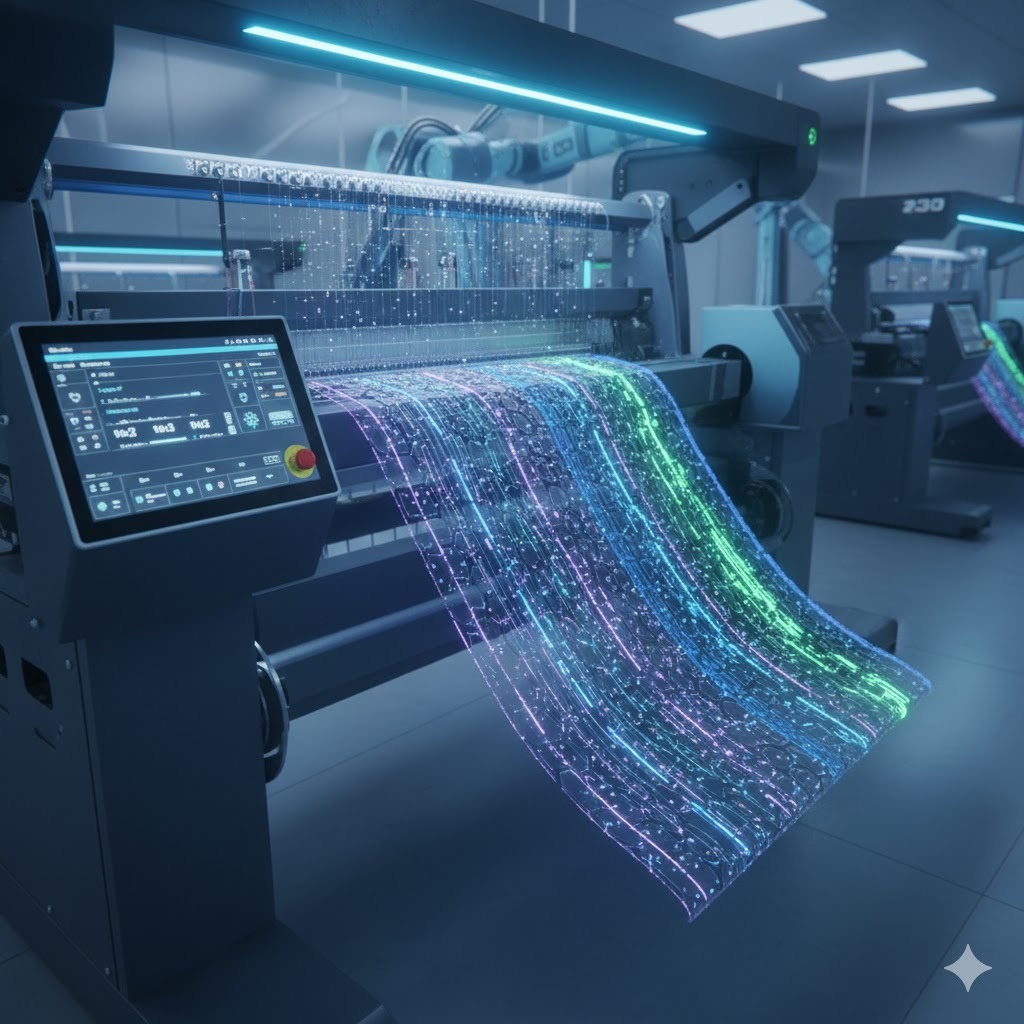
Public Relations Strategist Poolapack Agung Pratama said that digitization in the textile industry could be a solution to boost competitiveness. The reason is, so far the problem of TPT is due to high operational costs and high logistics and infrastructure costs.
"The economic sector, which is only centered on the islands of Java and Sumatra, makes economic equality difficult to achieve and results in high logistics costs outside the island," Agung said in a written statement, Friday (18/3/2022).
For this reason, digitalization will reduce production operational costs. Agung said that end users can also get goods directly from the factory at factory prices.
"In addition, through digitalization is carried out in accordance with the government's goal to make this sector more competitive in the global market," he said.
Agung explained that the digitalization solution to support the textile industry was carried out by Poolapack, which provides a group buying ecosystem or group buying ecosystem. The group buying ecosystem is implemented to eliminate the role of middleman/intermediaries, so that they can get goods directly from the factory at factory prices.
"This certainly cannot be done by existing B2C and B2B marketplaces, which can only accommodate the downstream, while the upstream has not been touched," he said.
According to him, the group buying ecosystem also accommodates all levels to get factory prices, starting from the scale of business businesses, MSMEs, to individuals.
"Through this ecosystem, the upstream sector, namely factories, will progress because the quantity of goods sold remains the same. As for the more goods sold, the more prices can be suppressed," concluded Agung.
He added that Poolapack's innovations and technological features were created with the aim of building an easy, efficient and more productive ecosystem in accordance with the direction of industry 4.0. Thus, this innovation was carried out to support this industry to be more competitive, and to have a greater contribution to both GDP and global markets.