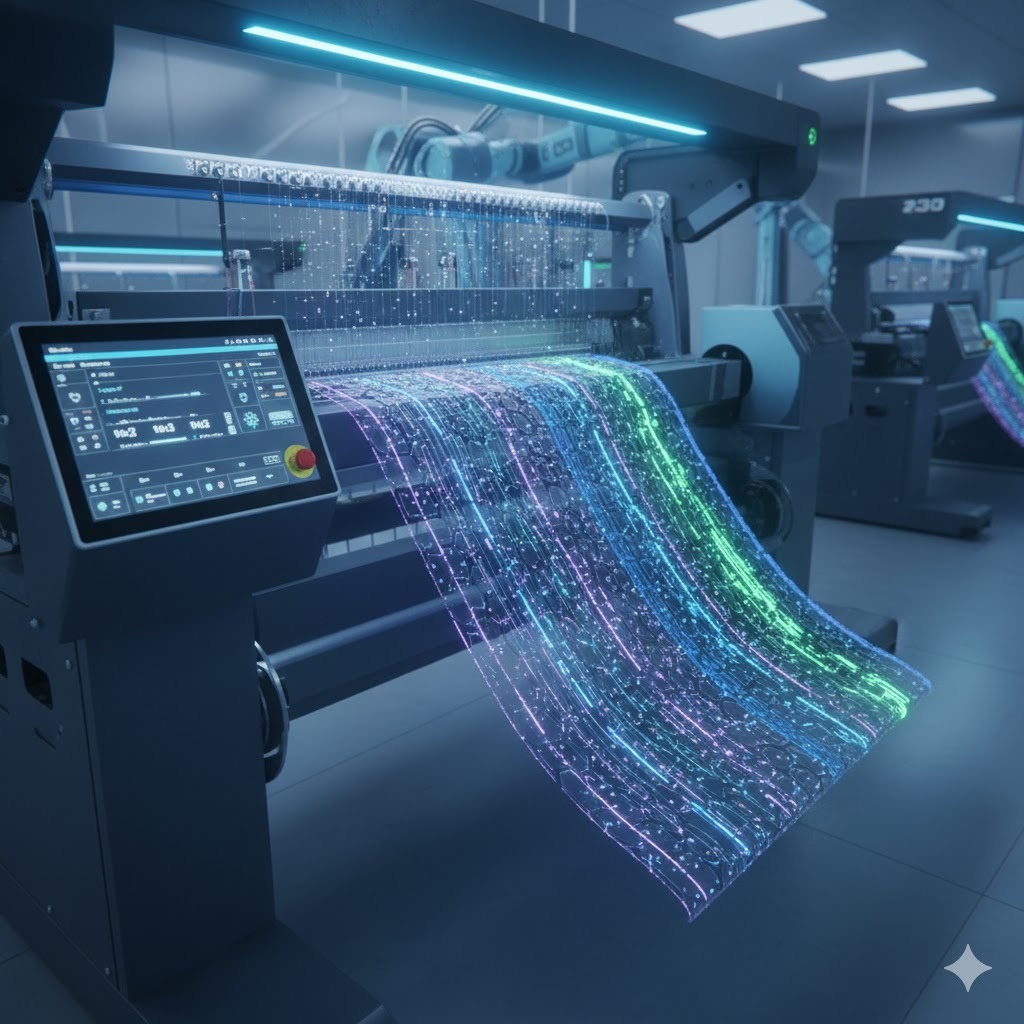




The textile and textile product (TPT) industry is considered to still have not taken full advantage of digitization. The breadth of supporting aspects to produce garment and textile products is one of the obstacles that the textile industry is still reluctant to adopt. Public Relations Strategist Poolapack Agung Pratama revealed that textile industry companies also do not have an integrated system for buyers, and this causes limited opportunities to increase sales. "The order process can take up to several days, even the level of unfulfillment (unfulfillment rate) of sales can reach 30-50%. This situation certainly forces fashion business players and brand owners to go through multi-layered supply chains," Agung said in a written statement, Monday ( 11/4/2022).
In addition, traditional textile traders also have limitations in the choice of products which are relatively expensive, the ordering system is not integrated, and there is no product guarantee. This also makes the Indonesian textile industry from upstream to downstream controlled by foreigners because domestic products are less competitive.
Agung explained that the digitalization solution to support the textile industry was carried out by Poolapack in the supply chain, especially for long-tail merchants in the MSME segment, aka merchants with search volumes and relatively low levels of competition.
"With this supply chain digitization, MSMEs will certainly get access to goods directly from the factory and factory prices, which are expected to increase profit margins due to low production costs," he said.
To meet supply chain needs in Indonesia, said Agung, Poolapack is developing order management and inventory management. This allows order confirmation in less than an hour, reduces order non-fulfillment rates to less than 5%, increases production process transparency, and provides a Request for Quotation (RFQ) feature to request textile materials that are not yet available.
Meanwhile, in the future, it will also carry out digitization for other industrial sectors, such as the metal and aluminum industry, plastic ore, and so on.
"It is hoped that in the future, the comprehensive digitalization brought by Poolapack will be able to have a good impact on the Indonesian economy, which is not only centered on Java and Sumatra, but shifts to Indonesia-centric in accordance with Indonesia's mission to become the world's fourth largest economy in 2045," he concluded.