


Member of Commission VII DPR Mukhtarudin invited textile industry players to play an active role in updating the quality of human resources (HR) in accordance with company qualifications. The increase in workforce competence is expected to encourage the growth of priority industrial sectors, in this case including the textile and textile products (TPT) industry. "I hope that increasing the competence of the workforce needs to continue to be carried out in facing the challenges of the industrial revolution 4.0," said Mukhtarudin in his official statement, Monday (15/8).
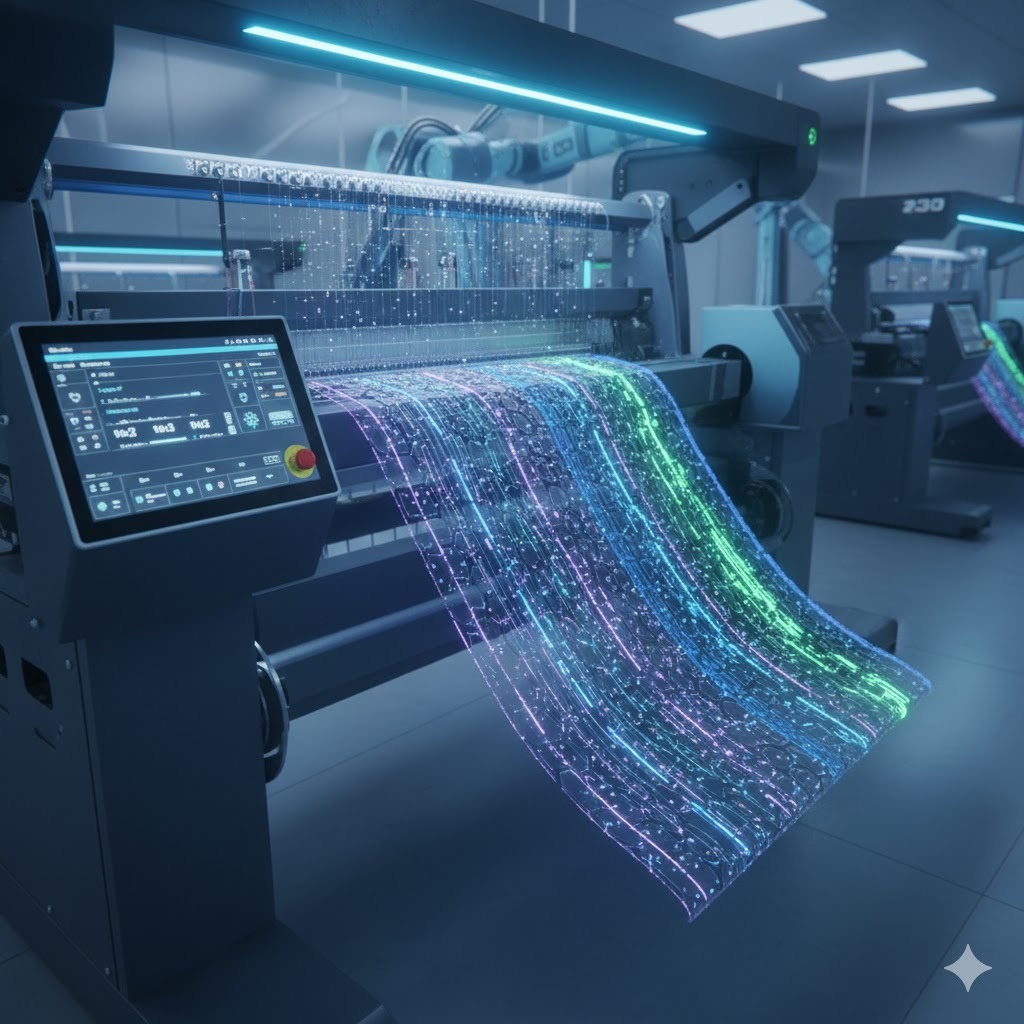
Mukhtarudin said the 4.0 industrial revolution also had an impact on Indonesia's textile industry and products. Therefore, an appropriate step is needed to support the quality of textile workers' human resources so that they are ready to face the 4.0 revolution transformation.
"This is important because the textile industry is a labor-intensive sector which is our potential industrial sector," said Mukhtarudin.
Previously, Minister of Industry Agus Gumiwang Kartasasmita said TPT is one of the sectors that play an important role in supporting the national economy. The potential of the textile industry includes being able to absorb 3.6 million workers and contribute 6.38% to the gross domestic product (GDP) of the non-oil and gas processing industry.
On that basis, said Agus, the textile industry is one of the sectors that receive development priorities based on the Making Indonesia 4.0 roadmap. "Until June 2022, the textile industry will remain our mainstay export commodity with a value that reaches up to US$ 6.08 billion or contributes 5.51 percent to total national exports," said Agus.
Even in the midst of global pressure and the impact of the Covid-19 pandemic, Agus is optimistic that the textile industry can expand the export market, with the achievement of a target of US$ 13 billion to 14 billion throughout 2022.
"The performance of the textile industry is also expected to remain high, mainly driven by the rapid growth of sales through e-commerce platforms as well as consumer awareness of the principles of sustainability in the textile production process in line with the commitment to reduce carbon and water consumption in the production process," said Agus.